
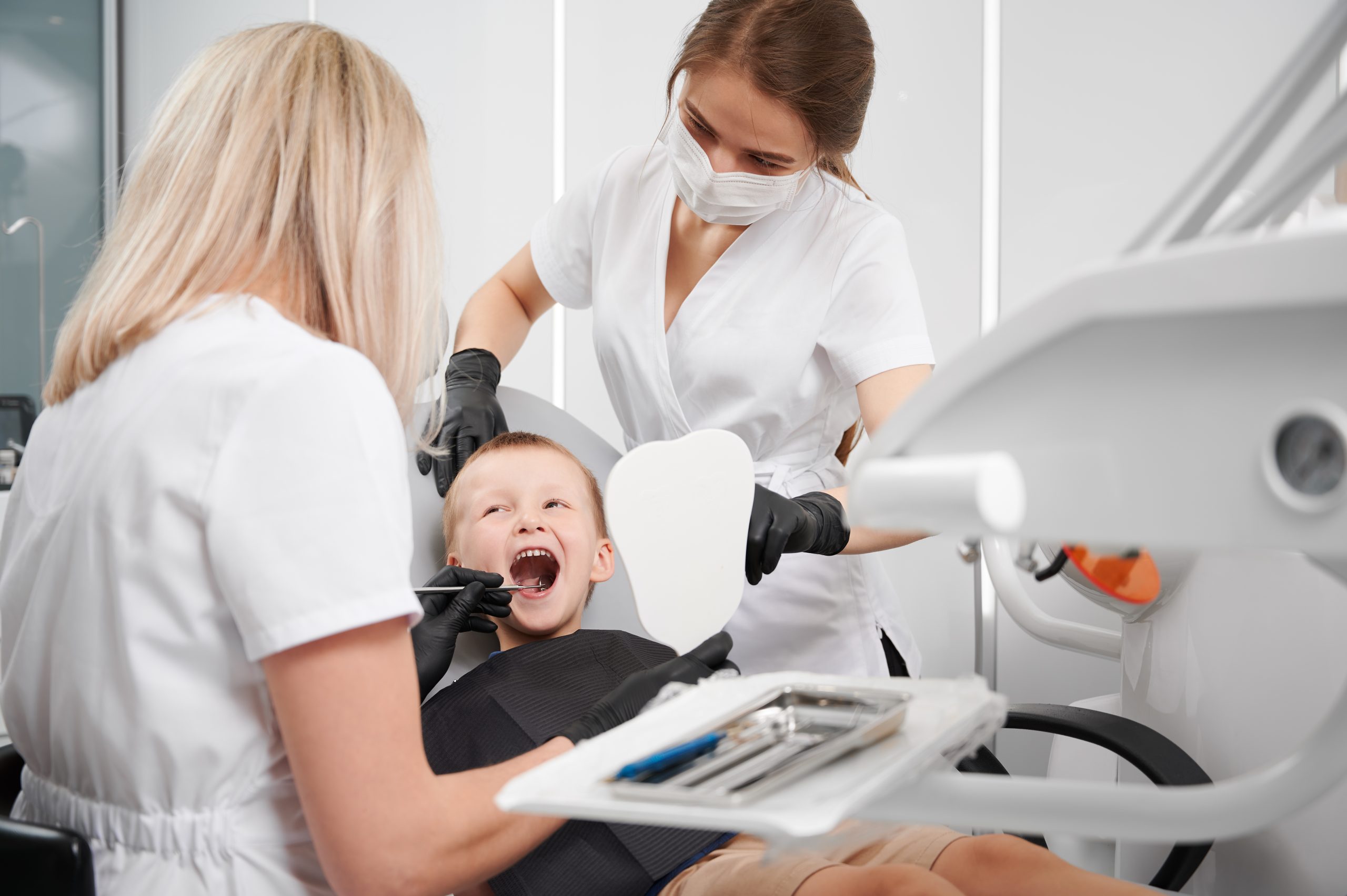
Dental visits can feel different for every child, especially when a child has sensory, communication, physical, developmental, or behavioural needs that affect how they experience new places and routines. A busy dental office, unfamiliar sounds, bright lights, or being asked to sit still may feel overwhelming. Special needs care for kids in Duluth focuses on tailoring the dental visit to each child’s individual needs rather than expecting every child to respond the same way. Simple preparation, clear communication, extra time, and a calm approach can make dental care easier to manage.
The goal is to provide appropriate oral care while helping the child feel as comfortable and supported as possible.
What Does Special Needs Dental Care Include?
Children with special needs may require different types of support during dental visits. The level of support depends on the child’s abilities, communication style, medical history, and comfort with dental care.
Special needs care near you may include adjustments such as:
- Using simple words to explain each step
- Allowing extra time during appointments
- Reducing unnecessary noise or distractions
- Showing dental instruments before using them
- Using familiar routines when possible
- Taking short breaks when appropriate
- Involving a parent or caregiver in the visit
Not every child needs all of these adjustments. Care can be adapted based on what works best for the individual child.
How Can a Pediatric Dentist Adapt the Visit?
A pediatric dental office in Duluth can adapt the dental environment and appointments to a child’s needs. For example, a child who is sensitive to noise may benefit from a quieter setting. In contrast, a child who has difficulty understanding spoken instructions may respond better to visual cues or demonstrations.
The dental team may also introduce new sights, sounds, and equipment gradually rather than presenting everything at once. This can give the child more time to understand what is happening.
What Can Parents Bring to the Appointment?
Familiar things can help some children feel more comfortable during a dental visit. Before the appointment, you may want to bring:
- A favourite small toy or comfort item
- Headphones, if loud sounds bother your child
- A picture schedule or communication tool
- A list of medicines and important health information
- Information about things that may upset your child or ways that help them stay calm
Sharing this information with the dental team before the visit can help them plan the appointment around your child’s needs.
How Can a Child Be Prepared for Dental Care?
Preparation can make a new dental experience easier to understand. At home, describe the visit in simple, positive language, without making promises about how the appointment will feel.
Helpful preparation may include:
- Reading a child-friendly dental book
- Looking at pictures of a dental office
- Practising opening the mouth.
- Explaining what will happen in simple steps
- Using pretend play to practise a dental visit
- Keeping the explanation short and clear
A pediatric dental office near you may also guide you on what to expect before the appointment.
Are Sedation Options Available?
Some children may have difficulty tolerating dental treatment even with preparation and other support. Depending on the child’s health, age, treatment needs, and ability to cooperate, different sedation approaches may be considered.
Sedation is not automatically needed for every child who has difficulty with dental visits. A dental assessment can help determine whether it may be appropriate. The medical history and any medications the child takes should be reviewed before sedation is considered.
Why Individualized Dental Care Matters
Children with special needs do not all have the same challenges or preferences. One child may need help with sounds and bright lights, while another may need more time to understand instructions or become comfortable with physical contact.
Special-needs dental care for kids in Duluth should be tailored to each child’s needs. A flexible dental visit can help the dental team provide the needed care while respecting how the child communicates, feels, and responds.
Regular dental visits are also important. Good dental care can help prevent problems and may reduce the need for more complex treatment later.
Support That Starts Before the Dental Chair!
A dental visit can be easier when the environment, communication, and pace match a child’s individual needs. Flossophie Children’s Dentistry can take sensory preferences, communication needs, comfort levels, and other concerns into account when preparing for a visit. From simple adjustments to additional support when needed, the goal is to make dental care more manageable without expecting every child to respond in the same way. Book an appointment to share your child’s needs and find a suitable approach for their dental care.
FAQs
How does a pediatric dentist adapt care for children with special needs?
A pediatric dentist may change the visit to make the child more comfortable. This may include using simple instructions, taking breaks, reducing loud sounds or other triggers, and using communication tools. The care will depend on the child’s needs.
What should I bring to help my child feel comfortable at their visit?
A familiar comfort item, such as headphones, a communication device, a visual schedule, or another item that helps the child stay calm, may be useful. Any important medical or sensory information should also be shared with the dental team.
Are sedation options available for children who can’t tolerate treatment?
Sedation may be an option for some children, but it depends on their health, age, treatment needs, and ability to cooperate. The dental team can discuss suitable options after reviewing the child’s needs.
How can I prepare my child with special needs before a dental appointment?
Use simple explanations, pictures, books, or pretend play to introduce the visit. Practising small steps, such as opening the mouth, may also help the child become more familiar with what to expect.