
Many parents focus on feeding schedules, sleep routines, and doctor visits during their baby’s first year. Dental care is sometimes overlooked, especially before a child has many teeth. However, early dental visits play an important role in a baby’s overall growth and comfort. If you’re learning about Infant Dentistry in Duluth, understanding why early dental care matters can help you support your child’s health from the very beginning.
When Should a Baby See the Dentist?
Most dental professionals recommend a child’s first dental visit by their first birthday or when the first tooth appears, whichever comes first. This early visit is usually quick and gentle. It helps introduce babies to the dental environment in a calm way. Early visits are not just about teeth. They focus on growth, habits, and helping parents learn how to care for their child’s mouth at home.
Why Early Dental Visits Matter for Development
A baby’s mouth is part of their overall development. Early dental visits help monitor how the gums, jaw, and teeth are forming. This supports healthy eating, speech development, and comfort as your child grows. Seeing a dental professional early can also help spot concerns before they become problems, making future care easier.
What Happens During an Infant Dental Visit?
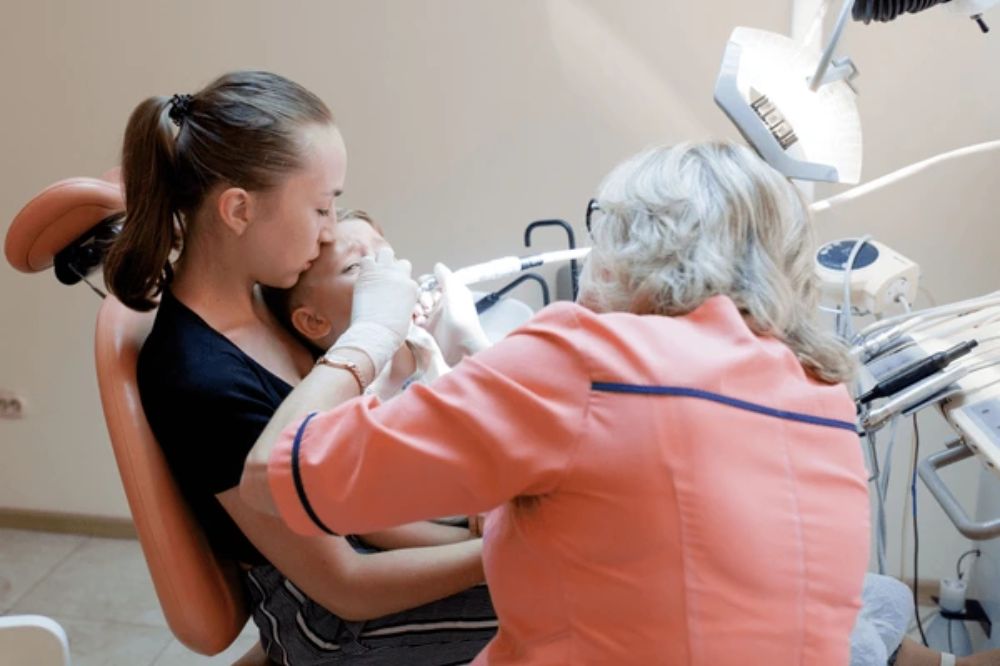
An infant dental visit is very different from an adult appointment. It is designed to be simple and stress-free.
During the visit, the dentist may:
- Gently check the gums and emerging teeth
- Look at jaw and bite development
- Talk with parents about feeding and teething
- Share tips for cleaning baby teeth and gums
- Answer questions about thumb-sucking or pacifiers
A pediatric dentist in Duluth is trained to work with infants and young children, making sure the experience feels safe and comfortable.
How Early Dental Care Helps Prevent Problems
Starting dental visits early helps reduce the risk of tooth decay, even in baby teeth. Cavities can develop as soon as teeth appear, especially if sugary liquids are used in bottles or sippy cups.
Early pediatric dental care helps parents learn how to:
- Clean baby teeth properly
- Use the right amount of toothpaste
- Avoid habits that may harm teeth
- Support healthy oral routines
These steps help protect baby teeth, which are important for chewing, speech, and guiding adult teeth into place.
Supporting Healthy Habits From the Start
Babies learn through routine. Early dental visits help normalise oral care, making brushing and dental checkups feel like a normal part of life as children grow.
Parents also benefit by learning how daily habits affect oral health, which would include learning about:
- Feeding routines
- Nighttime bottles
- Teething comfort methods
- Oral hygiene tools for infants
Clear guidance builds confidence and supports long-term health.
Dental Care for Infants Goes Beyond Teeth
Many parents are surprised to learn that dental care for infants focuses on more than just teeth. Dentists also watch for signs of:
- Jaw alignment issues
- Gum irritation
- Tongue or lip movement concerns
- Early bite patterns
Identifying these early allows for gentle guidance and monitoring as the child grows.
How to Reduce Dental Anxiety Later in Life
Children who start dental visits early often feel more comfortable with dental care as they get older. Early exposure helps reduce fear because the visits are calm and familiar. When dental visits are part of a child’s routine, they are more likely to feel relaxed and cooperative during future appointments.
How Parents Play a Key Role
Parents are partners in their child’s dental health. Early visits give parents the chance to ask questions and get clear answers.
Common topics include:
- Teething discomfort
- Brushing techniques for babies
- Pacifier and thumb-sucking habits
- Nutrition and tooth-friendly foods
A pediatric dentist near you can help tailor advice based on your child’s age and development.
How Often Should Infants Visit the Dentist?
After the first visit, most children visit a dentist every six months. These regular visits will help track growth and build good health.
Each visit builds on the last, creating a strong foundation for lifelong oral health.
A Healthy Start Begins Early
Early dental visits play an important role in managing infant tooth development. It also helps protect baby teeth, guide healthy habits, and give parents the tools they need to take care of their child’s smile.
At Flossophie Children’s Dentistry, we focus on gentle, family-centred care designed to support children from their very first visit.
If you have questions about your baby’s oral health, speaking with a dental professional early can help set the stage for a lifetime of healthy smiles.
Call us or book an appointment with our team today.
FAQs
Do baby teeth matter if they fall out anyway?
Yes, baby teeth help with eating, speaking and helping adult teeth stay in place.
Is it safe to clean an infant’s mouth before teeth appear?
Yes. Gently wiping gums with a soft cloth helps keep the mouth clean.
What if my baby cries during the visit?
This is normal. Pediatric dental visits are designed to be quick and supportive.
Can dental visits help with teething concerns?
Yes. Dentists can share safe ways to ease teething discomfort.